 By druqpuos
Artificial nails, often called fake nails or nail enhancements, are coverings placed over natural nails to create a longer, stronger, or more decorative look. They have evolved from simple fashion statements to sophisticated accessories used for everyday style, special occasions, or to address nail-biting habits. This guide explains what they are, explores their different types, and details how to apply, remove, and care for your nails afterward.
Types of Artificial Nails: Pros and Cons
Not all artificial nails are the same. The main types differ in material, application, and finish.
1. Acrylic Nails: The most common type. A liquid monomer and powder polymer are combined to form a dough-like substance sculpted onto the nail, which then hardens in the air.
- Pros: Very strong, durable, and affordable. Ideal for adding significant length and for those with weak natural nails.
- Cons: Can look thick if not applied well. The application involves strong fumes, and improper filing can thin the natural nail underneath.
2. Gel Nails: A thicker gel is applied in layers and cured (hardened) under a UV or LED lamp.
- Pros: Offer a more natural, glossy look and are flexible, reducing breakage. No strong odors during application.
- Cons: Generally more expensive. Requires a lamp to cure. Removal can be tricky and may damage the nail if peeled off.
3. Dip Powder Nails: A cyanoacrylate-based glue is applied to the nail, which is then dipped into colored powder. This is repeated, then sealed with a top coat.
- Pros: Known for exceptional durability and a lightweight feel. No lamp required for curing.
- Cons: The multi-step process can be time-consuming. Improper removal (filing too aggressively) is a major cause of nail thinning.
4. Press-on Nails: Pre-designed nails with adhesive backings. They are the most temporary option.
- Pros: Instant, affordable, and damage-free if used correctly. Great for experimenting with styles without commitment.
- Cons: Less durable, may pop off easily, and the fit is not always perfect.
The Application Process: A Professional Touch
While press-ons are DIY-friendly, other types are best applied by a licensed nail technician for safety and quality. A standard professional application involves:
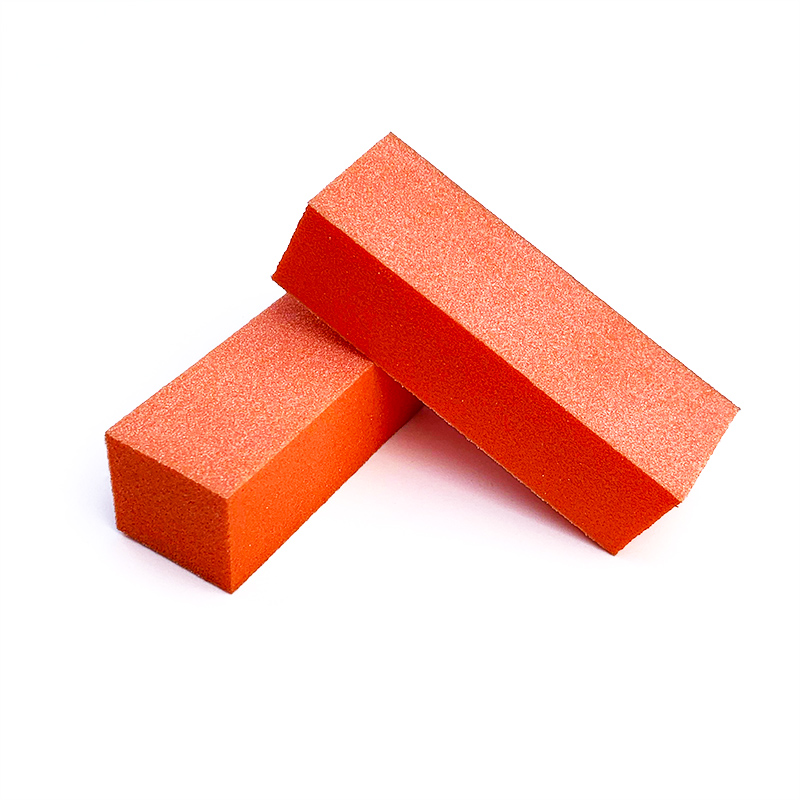
1. Preparation: The natural nail is cleaned, trimmed, and shaped. The surface is gently buffed to remove shine and create adhesion.
2. Application: Depending on the type chosen, the technician will sculpt the acrylic, paint and cure the gel layers, or perform the dip process.
3. Shaping & Finishing: Once the material is hardened, it is filed into the desired shape and smoothed. A final buffing, polish, and cuticle oil application complete the look.
Safe Removal: Step-by-Step
Never peel or rip off artificial nails, as this takes layers of your natural nail with it, causing significant weakness and damage.
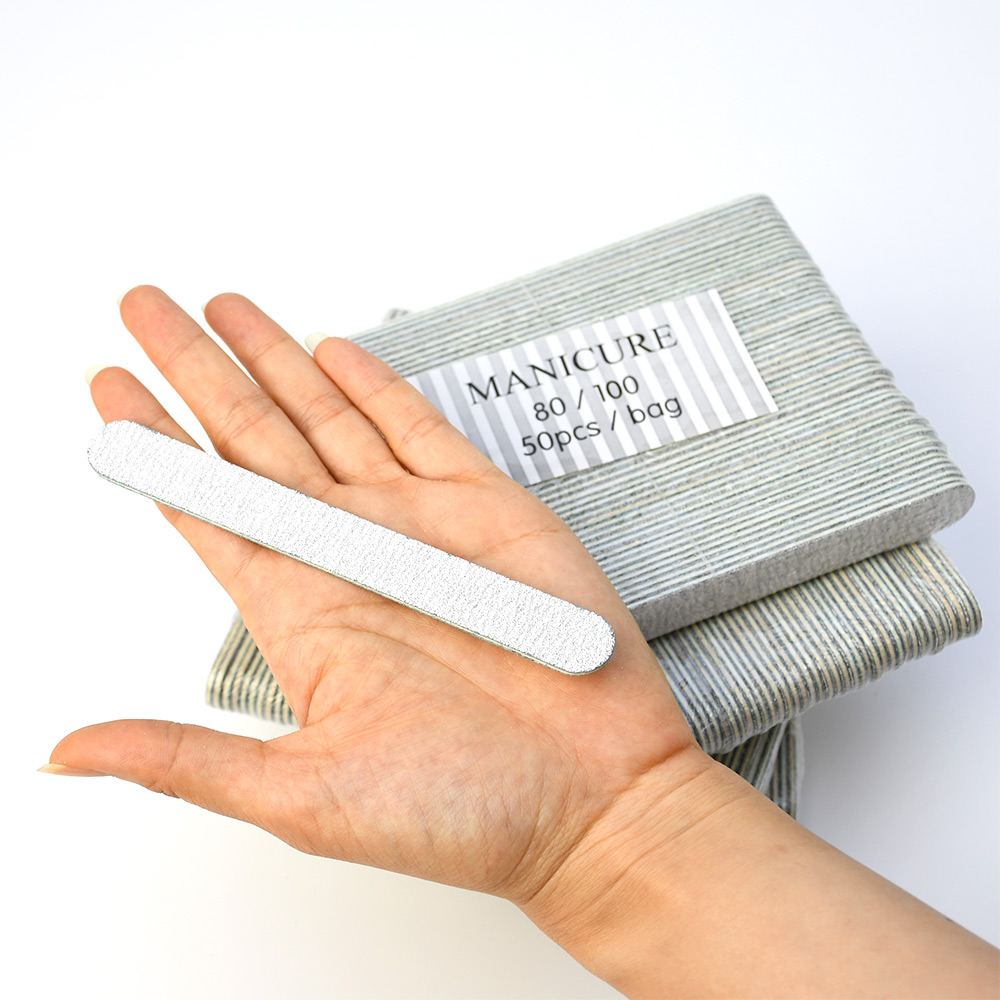
1. File the Surface: Use a coarse nail file to gently file off the shiny top coat. This allows the removal solution to penetrate.
2. Soak: For acrylics and gels, soak cotton balls in pure acetone, place them on each nail, and wrap fingertips in aluminum foil. For dip powder, a specialized remover is often recommended. Soak for 15-20 minutes.
3. Gently Remove: After soaking, the artificial material should be soft and slide off. Use a cuticle pusher to gently scrape away residue. Do not force it. If it’s not coming off, re-soak for a few more minutes.
4. Buff and Clean: Lightly buff the nail surface to remove any last bits of product. Wash hands thoroughly with soap and water.
Post-Removal Nail Care: The Recovery Phase
Your natural nails will be vulnerable after removal. Here’s how to nurse them back to health:
1. Moisturize Intensively: Nails and cuticles will be dehydrated, especially after acetone. Apply a thick cuticle oil or cream several times a day. Jojoba oil is an excellent mimic of the skin’s natural oils.
2. Nourish from Within: Consider a biotin supplement or use a nail-hardening treatment designed to strengthen keratin. Eat a protein-rich diet.
3. Keep Them Short: For the next few weeks, keep your natural nails short and neatly filed to prevent snagging and breaking while they regain strength.
4. Take a Break: Give your nails at least 2-4 weeks between sets of artificial nails to breathe, rehydrate, and restore their natural structure.
5. Be Patient: It can take 3-6 months for a damaged nail to fully grow out. During this time, treat them gently.
Artificial nails offer a world of creative expression. By choosing the right type, relying on professional application, committing to safe removal, and diligently caring for your natural nails afterward, you can enjoy beautiful manicures while maintaining the long-term health of your nails. Remember, true nail beauty is a balance of art and care.
Read also: Take care of your nails correctly according to your nail type